Weldtech carry all the welding gas supplies that the UK's welders need for MIG, TIG, gas welding and gas cutting in one place: inert shielding gases, oxy-acetylene equipment, cutting torches and nozzles, hoses, fittings, regulators and the safety kit that goes with them. Whether you're setting up for oxy-fuel welding, brazing, heating or flame cutting, this is our full range of gas welding supplies for trade and serious home workshops alike.
Gas Welding Equipment: The Oxy-Acetylene Toolkit
Gas welding, most commonly with oxygen and acetylene, remains the most versatile flame process in the workshop. One well set-up torch handles fusion welding, brazing, silver soldering, heating for bending and freeing seized parts, and with a cutting attachment, plate cutting too. It needs no power supply, which is why it's still the go-to for site work, agricultural repair and vehicle restoration.
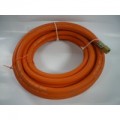
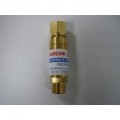
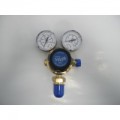
A complete gas welding set-up needs the right equipment at every point of the process: cylinder regulators to bring gas pressure down to working levels, flashback arrestors on both lines, colour-coded hoses in good condition (blue oxygen, red acetylene), properly rated fittings, and a torch with the right nozzle size for the job. We stock each part separately, so you can build a new set-up from scratch or replace the one perished hose that's holding your kit back.
Gas Cutting Equipment
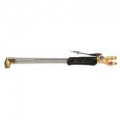
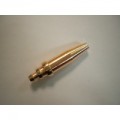
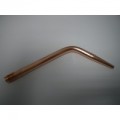
Flame cutting is still the fastest way through thick steel section and plate without a machine the size of a van. Our gas cutting range covers cutting torches, cutting nozzles in the full size range (matched to plate thickness and fuel gas), cutting gas, hoses and spares. If you're unsure which nozzle sizes suit your work, the packaging codes are confusing at the best of times; get in touch and we'll match nozzles to your torch and typical plate thickness.
On safety: flashback arrestors aren't optional extras on any oxy-fuel set-up, they're what stands between a backfire and a burst hose or worse. If your arrestors are more than five years old or have survived a flashback, replace them. The same goes for perished or taped-up hoses. It's the cheapest insurance in the workshop.
Looking for MIG or TIG Shielding Gas?
Oxy-fuel set-ups are designed to burn the gases together to generate heat. Arc welding uses gases for a very different purpose. These processes need gas to keep atmospheric gases, especially oxygen away from the molten weld pool. If you're after argon, CO2 or argon mix bottles to shield a MIG or TIG arc, that's a different kind of gas to the fuel gases described above. You'll find shielding gas and everything that goes with it in our Welding Gas section.
Frequently Asked Questions
What equipment do you need for gas welding?
The core kit for a basic gas welding set-up will comprise: oxygen and acetylene cylinders, a regulator for each, flashback arrestors on both lines, colour-coded hoses with the correct fittings, a welding torch, and nozzles sized for your material thickness. Add gas welding goggles (a shade 5 filter for most work; ordinary arc-welding shades are too dark), a spark lighter and a bottle trolley or secure cylinder fixing, and you're set up properly.
What's the difference between welding gas and gas welding?
Word order matters more than you'd think. "Welding gas" usually means the shielding gases (argon, CO2 and mixes) used to protect a MIG or TIG arc. "Gas welding" is the process on this page: using a fuel gas flame, normally oxy-acetylene, to weld, braze, heat or cut. If it's shielding gas you need, head to our Welding Gas section.
What gas is used for cutting?
Flame cutting uses oxygen plus a fuel gas. Acetylene gives the hottest flame, the fastest pierce and the best control, which is why it's the trade default. Propane is cheaper per cut on thick material and fine for straightforward cutting, but it pierces more slowly, needs different nozzles, and won't gas weld. If you do both cutting and welding with one set, acetylene is the practical choice.
How do I set up gas cutting safely?
Cylinders upright and secured; regulators wound out before opening cylinder valves slowly; flashback arrestors fitted at the regulator end of both hoses; hoses checked for perishing and leaks (soapy water, never a flame); correct nozzle for the plate thickness, cleaned with proper nozzle reamers, not drill bits; and pressures set to the nozzle manufacturer's chart rather than guesswork. Light with a spark lighter, fuel gas first. If you're new to oxy-fuel work, proper training is strongly recommended; the kit is simple but unforgiving of shortcuts.
What is a flashback arrestor and do I really need one?
A flashback happens when the flame burns back inside the torch and travels up the hose towards the cylinder. An arrestor is a one-way safety device that stops it. You need one on both the oxygen and fuel gas lines, and they should be replaced after any flashback event and periodically with age. No oxy-fuel set-up should run without them.
Can I use disposable gas bottles for gas welding?
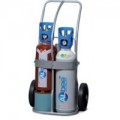
Small disposable oxygen and gas canister kits exist and are fine for very light, occasional work such as thin-sheet brazing or small repairs. The oxygen runs out surprisingly fast, so the running cost per hour is high. For anything regular, refillable cylinders with a proper regulator set-up cost far less over a year.
Can't find what you need, or not sure what fits your job? Get in touch; matching gas equipment correctly is exactly the sort of thing we'd rather you asked about than guessed.